
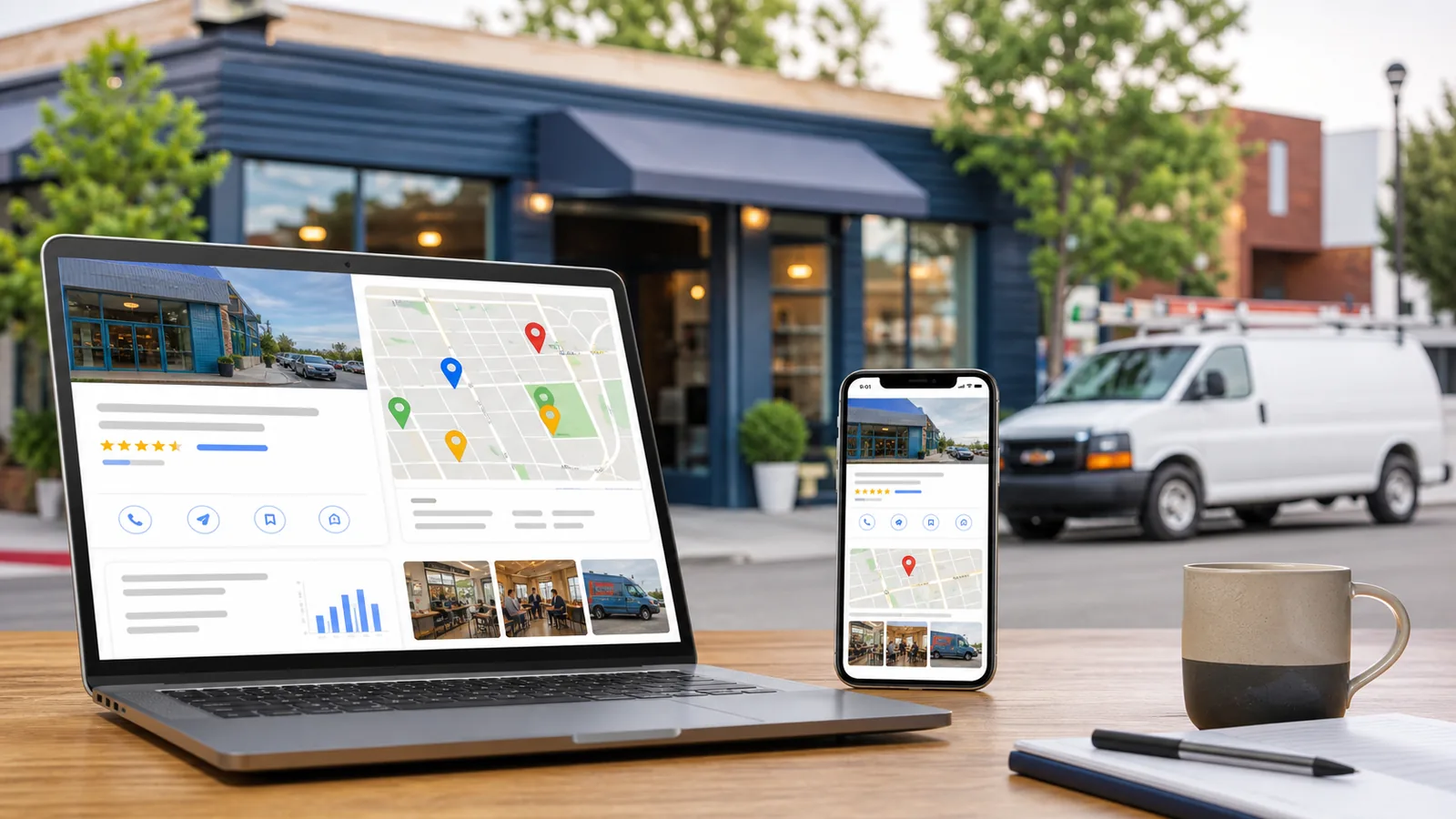
setting up local business listings is easier when each decision is tied to evidence and an owner. The objective is to help eligible local customers find accurate business information and reach the correct website, phone, location, or service-area contact path. This guide provides a practical sequence for a small or new business without pretending that one checklist fits every industry or jurisdiction.
Define the outcome before choosing tools
Start with the customer, the problem, and the next action. Software, branding, pages, and automation should support that journey. A clear outcome prevents the business from buying disconnected tools or creating content that looks professional but does not help a customer decide.Decisions to make first
- Eligibility and real-world business presence
- Business name and primary category
- Storefront address versus service-area configuration
- Phone, hours, services, and appointment links
- Photo and review process
- Business-controlled ownership and recovery access
Step-by-step process
- Review the platform eligibility and representation rules
- Use the real-world business name without added keywords
- Choose the closest accurate primary category
- Enter an address or service area based on the actual operating model
- Add accurate hours, phone, services, and the best website landing page
- Complete the required verification
- Upload original, useful photos
- Invite honest reviews without incentives that violate policy
- Monitor edits, messages, questions, and performance
What your website should explain
- Who the offer is designed for
- What problem it solves and what is included
- Where and when the business can deliver
- Why the company is credible
- What the customer should do next
- What happens after an enquiry, booking, or payment
Common mistakes to avoid
- Creating fake locations
- Adding keywords to the official business name
- Using inconsistent phones or hours
- Letting an agency remain the only owner
- Ignoring negative or policy-violating reviews
Important context
Platform interfaces, eligibility rules, and verification methods can change. Follow the current official help documentation and never create a location or address the business does not genuinely operate.Measure progress with useful signals
- Qualified customer conversations
- Completed enquiries, bookings, or purchases
- Lead source and acquisition cost where available
- Response time and follow-up completion
- Reasons prospects proceed or decline
- Delivery quality, retention, and referrals
Prepare for a free website estimate
For a website related to setting up local business listings, prepare the primary audience, offer, customer action, page list, content, proof, integrations, ownership needs, and launch date. Gain Gati's free estimator can use those inputs to create an initial planning range.The estimate should separate launch essentials from later improvements and identify recurring costs. Final scope still depends on confirmed requirements, content responsibilities, integrations, and testing needs.