
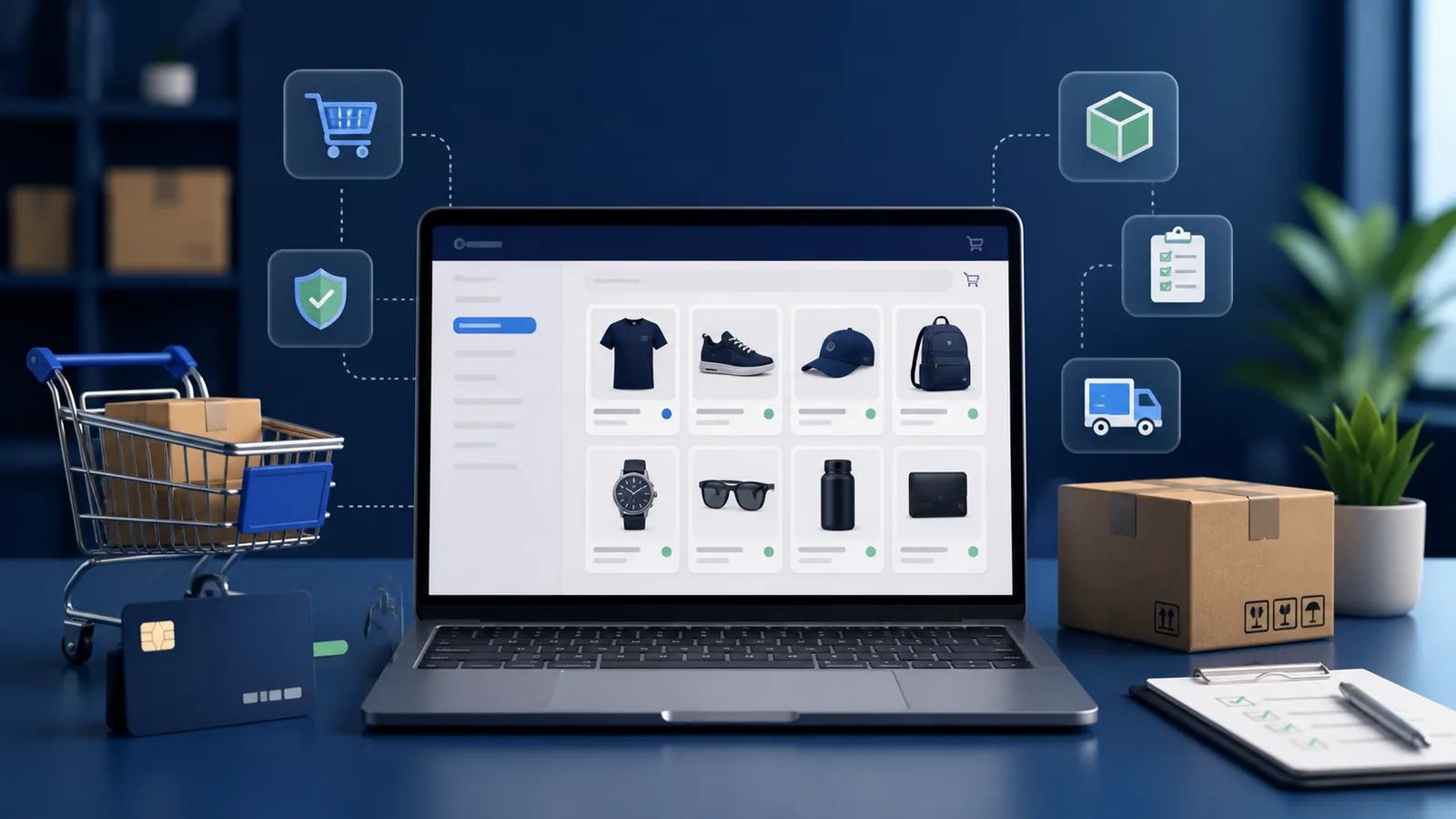
small business e-commerce website cost is easier to plan when the business starts with outcomes instead of a page package. For retailers, makers, wholesalers, and service companies that want to sell products or paid packages online, the goal is to create a secure buying journey that keeps product, payment, order, shipping, and customer information accurate.
This guide separates the decisions that materially change scope from the details that can be refined later. It also gives you a practical preparation list for Gain Gati's free project estimator.
Start with the business outcome
The website should support a specific customer decision and a specific business process. Write that outcome in one sentence before choosing a platform, theme, page count, or feature list. A clear outcome makes small business e-commerce website cost easier to compare and approve.What changes the scope?
- Product count and variants
- Catalog and search complexity
- Payment methods and currencies
- Shipping, pickup, and delivery rules
- Tax and invoice requirements
- Inventory, accounting, or fulfilment integrations
What a practical project should include
- Product and category templates
- Cart and secure checkout
- Order confirmation and administration
- Inventory and availability rules
- Shipping and tax configuration
- Analytics and purchase conversion tracking
A step-by-step approach
- Organize products and variants
- Choose payment and fulfilment methods
- Document shipping and return rules
- Select required integrations
- Test complete orders before launch
Common mistakes to avoid
- Uploading poor product data
- Ignoring mobile checkout
- Hiding shipping costs until late
- Skipping test orders and refunds
- Forgetting recurring platform and payment fees
Cost and timeline considerations
A small catalog using a proven platform differs greatly from a custom marketplace or store connected with warehouses, subscriptions, or business software. Data preparation is often as important as page design.Separate essential launch requirements from a future roadmap. A smaller complete first version is usually more valuable than a large unfinished build.
What to prepare before requesting an estimate
- Product names, images, prices, and variants
- Stock and fulfilment process
- Payment provider accounts
- Shipping zones and rates
- Return, privacy, and customer-service policies
Questions to ask a website provider
- Who owns the domain, hosting, files, and administrator accounts?
- What content and images are included?
- How are mobile layouts, accessibility, security, and forms tested?
- Which recurring charges continue after launch?
- How will analytics and lead conversions be measured?
- How can the website expand later?
Get a free project estimate
Gain Gati's estimator asks practical questions related to small business e-commerce website cost, customer actions, integrations, payments, and timeline. It provides an initial range for planning without requiring a project commitment.Use the result as a starting point, then confirm the detailed scope and responsibilities before development. A transparent estimate should help you make a decision, not hide important assumptions.